“He thoroughly inspected my roof and gave me honest advice that no repair is needed at this time—just keep an eye on it.”
— Joyce Chen
The inspection and the advice
Joyce Chen's review is short and specific. It describes Sean as "very professional, honest, and knowledgeable," and says the inspection ended with advice "that no repair is needed at this time." The instruction that came with it was simple: "just keep an eye on it."
The company's reply fills in the context: "Thank you for the review on your potential leak keep me updated we'll figure out what's going on here." Read together, the two tell a clear story. There was a concern about a possible leak. The inspection did not turn up anything that called for a repair yet. And the door stayed open: if something changes, the company wants to hear about it.
That is a less dramatic outcome than a new roof or an emergency fix, but it is the one a lot of homeowners actually need.
What the photo shows
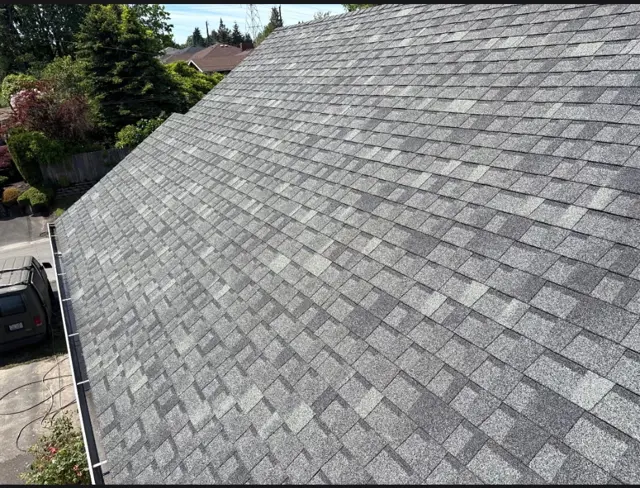
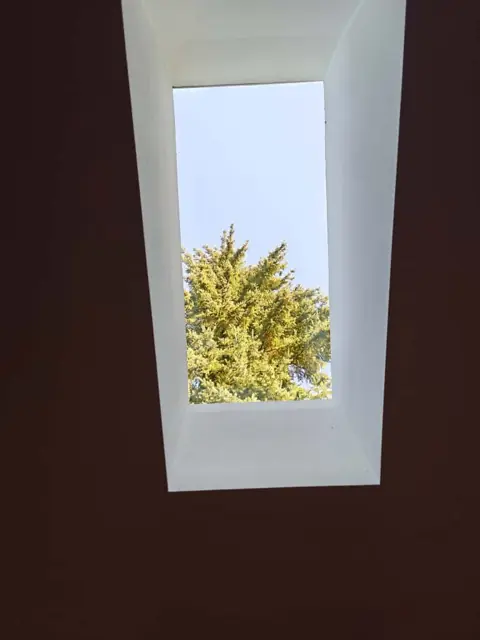
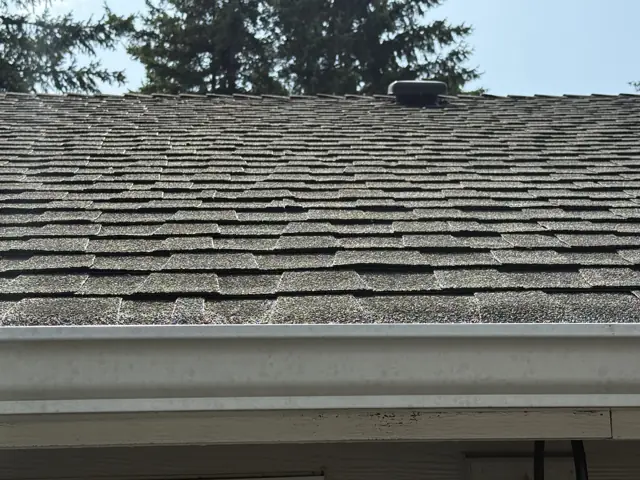
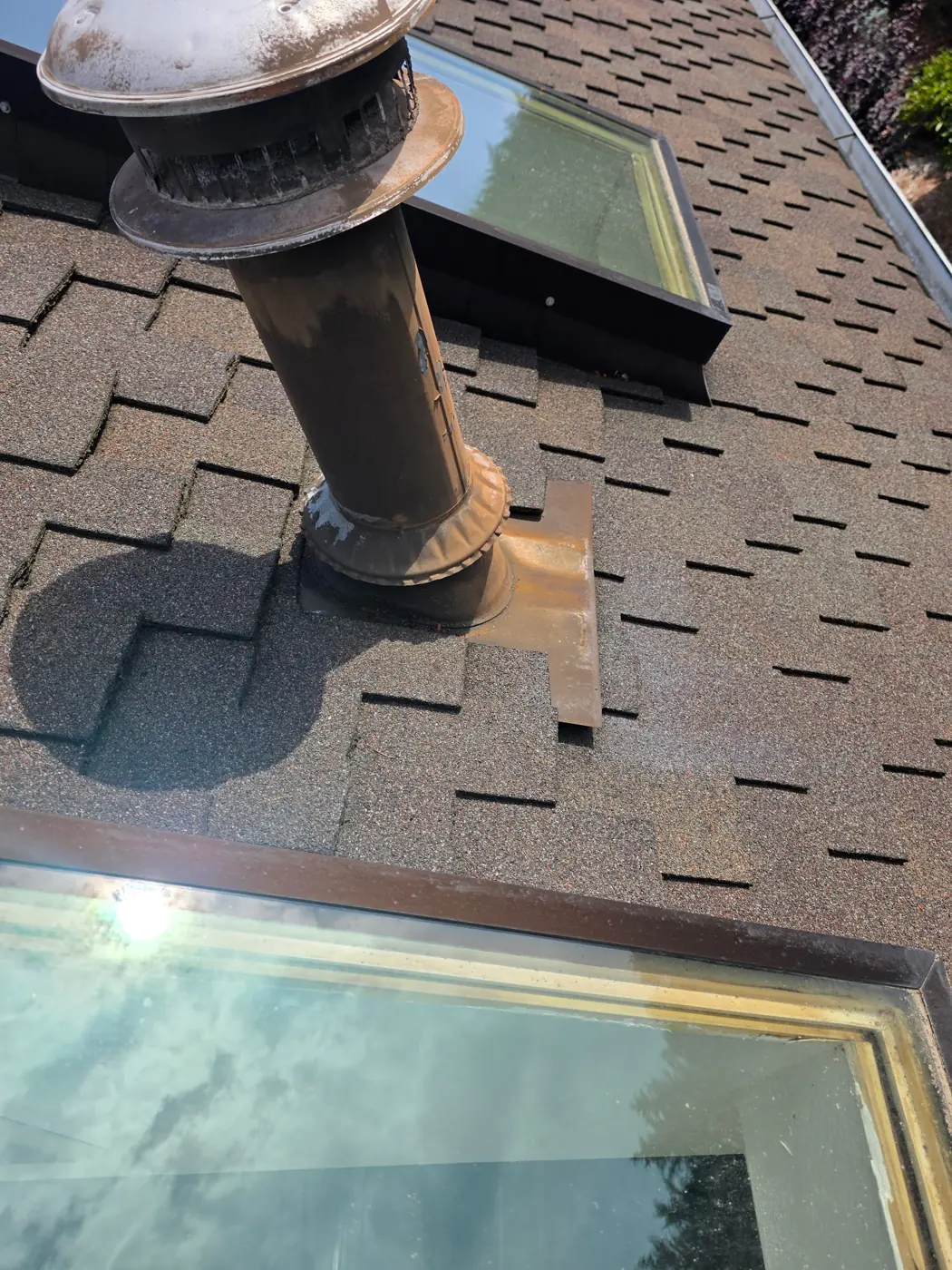
The one photo Joyce posted is a close-up of a composition shingle roof: a weathered metal vent pipe with its flashing, a skylight just above it and a second skylight in the foreground. The shingles around them show signs of weathering.
Skylights and pipe penetrations are the places an inspector looks at hardest when a leak is suspected, because every opening in a roof depends on flashing and sealant to stay watertight. Neither the review nor the reply says where the concern on this roof was, so treat that as general background rather than a finding. Our skylight leak repair guide explains how those spots tend to fail. If your roof has skylights, ask any inspector to photograph each one up close, including the flashing on the uphill side, where water and debris collect first.
Why a no-repair answer is a good result
An inspection that ends without a sale can feel like an anticlimax, but it tells you two useful things. First, your roof is doing its job today. Second, the person who looked at it was willing to say so. Every roof eventually needs work, and a contractor who recommends repairs only when the roof calls for them is a contractor whose advice you can trust when it does.
When you compare roofers, notice how each one handles a roof that doesn't need much. Pressure to sign the same day, vague warnings without photos, or a replacement quote for a roof with years left in it are all reasons to slow down. Our list of roofing red flags in Washington covers what to look for.
Joyce's own summary of the visit is the one to aim for: "I really appreciate his professionalism and honesty."
How to keep an eye on a roof after an inspection
The advice to "keep an eye on it" is sound, and it helps to know what to look for. This is general guidance, not a list of findings from Joyce's inspection:
- Ceilings and walls. Check under skylights, around chimneys and along exterior walls for new stains, bubbling paint or soft drywall, especially after the first heavy rains of fall.
- The attic. If you can get up there safely, look at the underside of the roof deck with a flashlight during or after rain for damp wood or drips.
- Around skylights. Fog on the glass on a cold morning is often condensation. Water running down the shaft walls or staining the trim during rain is a different matter.
- From the ground. Use binoculars to look for lifted shingles, bent flashing or moss building up around pipes and skylights.
- Keep a record. Date your photos so you can tell whether a stain is new or growing.
Our post on what to watch after a no-repair inspection goes deeper, and signs of a roof leak explains when it is time to call back.
When to call back
If something changes, call. The company's reply already asked Joyce to "keep me updated," and that is the right arrangement for any homeowner whose roof is on watch. A stain that grows between storms, a drip in the attic or water near a skylight deserves a second look before it reaches insulation or drywall.
To book a roof inspection, call (425) 270-1525. First Choice's inspections are free and photo-documented, so a no-repair answer comes with pictures you can look at yourself, and if work is needed, the written estimate is free too. Keep the report and photos with your home records; if you call back months later, they give the next visit a baseline to compare against.